HomeBlogUncategorizedThe Art of Wandering: A Definitive Guide to Encourage Outdoor Play
The Art of Wandering: A Definitive Guide to Encourage Outdoor Play
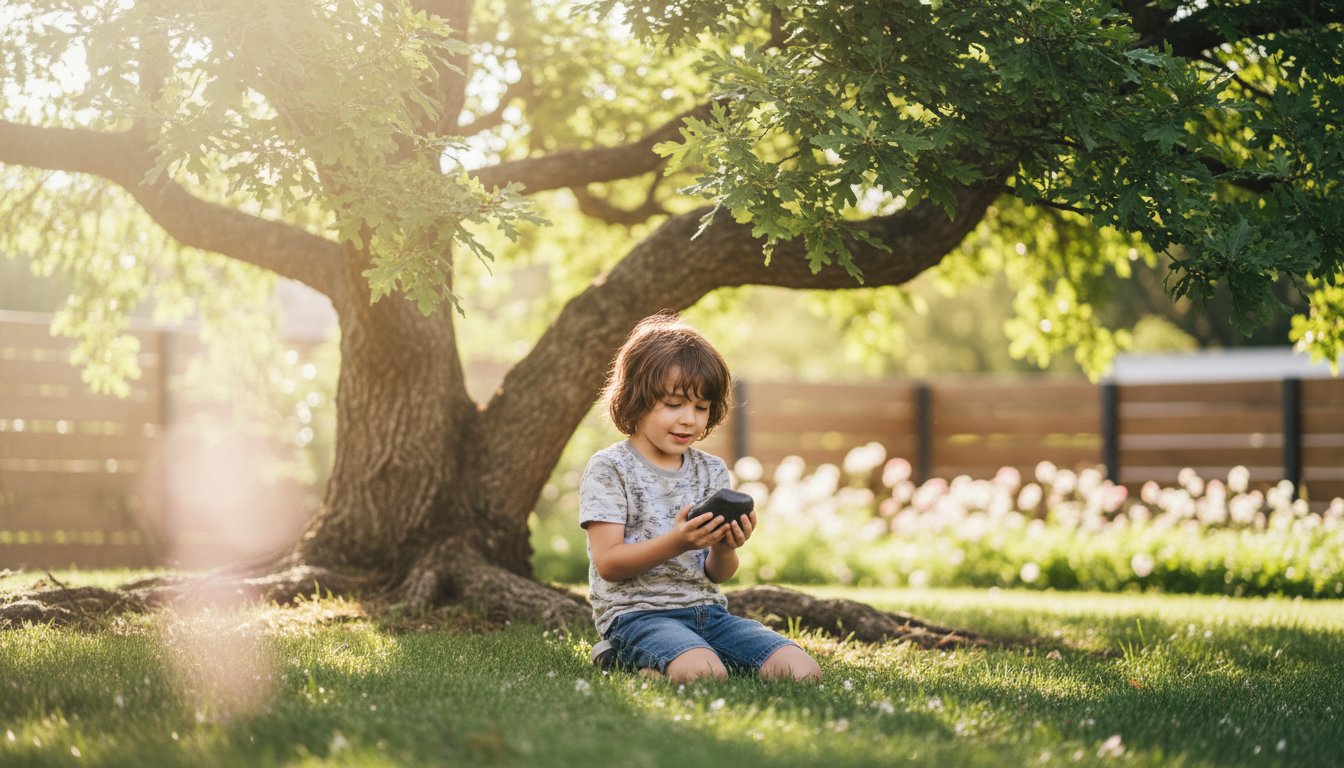
What if the most enduring heirloom you could offer your child isn’t found in a velvet box, but waiting beneath the emerald canopy of a backyard oak? We’ve all felt that quiet pang of guilt when a tablet’s glow replaces the sun’s warmth, especially as 2023 research shows children now spend less than 35 minutes a day in unstructured outdoor play. We’ve designed this guide to encourage outdoor play to help you move past safety anxieties and create a space where your family’s story can truly bloom. It’s time to trade the flicker of a screen for the timeless brilliance of the horizon.
With 74% of parents reporting concerns over digital fatigue, we’ve provided a curated checklist and soulful strategies to transform your backyard into an irresistible sanctuary for growth. You’ll learn how to foster a deep family connection through shared fresh-air experiences that build emotional resilience and lasting wonder. We’re inviting you to discover how nature can become your child’s most inspiring teacher, ensuring they choose the earth’s quiet beauty over a digital stream every single day.
Key Takeaways
Uncover why outdoor immersion is the ultimate luxury for a child’s development, fostering a resilient immune legacy through nature’s multi-sensory radiance.
Learn to design an irresistible sanctuary by using simple, curated natural elements that transform ordinary stones and sticks into a gallery of endless discovery.
Follow this definitive guide to encourage outdoor play to master the balance between structured exploration and the brilliance found in aimless, ethereal wandering.
Stay inspired through every seasonal shift with a refined checklist of essentials that keep the spark of wonder alive from the first bloom to the first frost.
Realize how these early, soulful connections to the earth form a timeless foundation for your child’s future mental health and emotional well-being.
Why Outdoor Play is the Ultimate Luxury for Childhood Development
Outdoor play isn’t merely a pastime; it’s a multi-sensory radiance that nourishes the developing mind and body with the same precision as a master jeweler cuts a diamond. We view these moments as a child’s first encounter with ethereal freedom, where the world lacks walls and possibilities feel infinite. This guide to encourage outdoor play begins by recognizing that the earth itself offers a biological legacy. Through the “Hygiene Hypothesis,” we know that exposure to diverse microbes in the soil helps build a resilient immune system. Research from the University of Colorado in 2014 suggests that these natural interactions reduce the risk of allergies and asthma by 25% in early childhood.
Beyond the physical, the outdoors acts as a cognitive sanctuary. Natural environments reduce cortisol levels and sharpen focus, providing a timeless gift of creativity that screens can’t replicate. It’s the only space where a child possesses true agency, transforming from a passive observer into a visionary architect of their own reality. This sense of ownership builds a foundation of confidence that lasts a lifetime.
The Science of Fresh Air and Sunlight
Sunlight is the vital catalyst for Vitamin D synthesis and the master regulator of circadian rhythms, ensuring a restorative sleep quality that supports healthy growth. Exposure to natural light is also essential for long-term ocular health. A 2013 study in the journal Ophthalmology found that children spending 10 to 14 hours outdoors per week significantly lowered their risk of developing myopia compared to those spending less time outside. In the context of modern playgrounds, these spaces provide the necessary backdrop for this biological calibration. Nature Deficit Disorder represents the modern, clinical disconnect from our fundamental biological roots and the vibrant world we were meant to inhabit.
Emotional Resilience Through Unstructured Exploration
True confidence is etched through “risky play” like climbing a sturdy oak or balancing on a fallen log. These acts aren’t dangerous; they’re essential lessons in self-reliance and calculated courage. This shift moves a child from being a consumer of digital content to a creator of physical worlds, like building intricate stick forts. Nature regulates a child’s emotional rhythm, lowering stress by 28% after just 20 minutes of immersion. This guide to encourage outdoor play highlights how the environment acts as a silent mentor, teaching resilience through every uneven path and changing season.
The Aesthetic of Invitation: Designing Irresistible Play Spaces
We view the garden not as a storage space for plastic structures, but as a living gallery where nature provides the finest materials. A truly irresistible space moves away from static, expensive equipment; instead, we focus on curated natural elements that spark a child’s innate curiosity. This approach serves as a definitive guide to encourage outdoor play by transforming the backyard into a sanctuary of discovery. We believe that the most profound play happens when the environment feels intentional yet wild.
The magic often lies in what architects call “Loose Parts.” When we provide stones, sticks, and water, we offer a palette of infinite possibilities. A 1971 study by Simon Nicholson proved that environments with movable materials invite deeper engagement than fixed structures. These simple objects become the diamonds of the playground; raw, authentic, and ready to be shaped by imagination. To truly understand how to support outdoor play, we must embrace the role of the discreet observer. We set the stage with care and then step back, allowing the child’s own narrative to unfold without our direction.
Children instinctively seek “Secret Sanctuaries” for their play. Small, enclosed spaces like willow dens or canvas teepees offer a sense of “prospect and refuge.” These corners provide a feeling of safety while allowing them to look out at the world. It’s a sophisticated psychological need for privacy that mirrors our own adult desire for a quiet, elegant retreat. By providing these nooks, we respect their need for autonomy and quiet reflection.
Sensory Gardens and Textural Landscapes
We design landscapes that speak to every sense. Incorporating plants like silver-leafed Lamb’s Ear or fragrant Lavender creates a “visual poetry” that grounds a child in the present moment. Mud and water remain the most sophisticated toys ever invented, offering tactile feedback that 90% of plastic toys can’t replicate. By hanging sun catchers or glass prisms, we introduce the dance of light and shadow, turning a simple afternoon into a radiant, magical experience.
Bringing the Indoors Out
The transition between home and nature should feel seamless and elegant. We recommend creating an “Alfresco Atelier” where painting and clay work can happen under the open sky, free from the constraints of indoor cleanup. Moving quiet time into the “embrace” of nature with weather-resistant rugs and plush pillows makes the garden feel like a natural extension of the home. Just as we choose timeless pieces for our lives, we can curate outdoor nooks that invite children to linger in the shade with a book, surrounded by the soft whispers of the wind.
Structured vs. Unstructured Play: Finding the Perfect Balance
Finding the right cadence between guided activity and wild freedom is an art form. It’s the difference between a precision-cut gemstone and a raw mineral; both possess immense value, but they serve different purposes in your guide to encourage outdoor play. We often feel an internal pressure to curate every second of our children’s lives. However, true discovery happens when we step back and allow the natural world to take the lead. This balance ensures that play remains both a learning experience and a soulful escape.
The Value of ‘Boredom’ in the Great Outdoors
When a child sighs and claims there’s nothing to do, they’re standing at the threshold of innovation. Resisting the urge to entertain them immediately is a gift of autonomy. In the quiet “nothingness” of a garden, the mind begins to weave its own narratives. A 2014 study by Dr. Sandi Mann at the University of Central Lancashire showed that boredom directly fuels creative problem-solving by allowing the mind to wander. This mental wandering transforms a simple stick into a scepter or a patch of moss into a miniature kingdom. The most profound play often begins after the first ten minutes of ‘I’m bored’.
Guided Discovery: Scavenger Hunts and Nature Journals
Sometimes, a gentle nudge helps sharpen a child’s focus on the intricate details of the world. Tactical hunts provide a framework for observation without being overly restrictive. Instead of a generic list, use sensory prompts to deepen the connection to the environment. These might include:
Tactile prompts: “Find something that feels like velvet” or “locate a stone as smooth as a river bead.”
Visual prompts: “Identify three different shades of emerald in the leaves.”
Auditory prompts: “Sit still for 120 seconds and count every unique bird call.”
Nature journaling creates a lasting legacy of these moments. It documents the 42 different insect species found in a single summer or the changing hues of an oak leaf in October. We must remain flexible during these activities. If a child abandons their list to follow the flight of a swallowtail butterfly, the plan hasn’t failed; it’s evolved into a higher form of engagement. This flexibility is a vital part of any guide to encourage outdoor play.
The parental presence paradox requires us to be a “silent witness.” We provide the safety net without casting a shadow over the experience. Our role is to be available for questions while remaining distant enough for the child to own their adventure. It’s about being the quiet curator of their curiosity, ensuring they feel secure but entirely free.
The Irresistible Outdoor Play Checklist for Every Season
Creating a seamless path from the living room to the garden requires more than just an open door; it demands a curated invitation to wonder. We view these moments as the raw gemstones of childhood, waiting to be polished through discovery. A 2023 study by the Nature Conservancy revealed that 82% of children develop a stronger sense of environmental stewardship when their play areas include loose parts like stones and branches. This guide to encourage outdoor play ensures your backyard becomes a sanctuary of exploration regardless of the temperature.
The ‘Go-Bag’ of Wonder
Preparation is the foundation of elegance. Keep a dedicated basket by the threshold containing linen collection bags, high-quality magnifying glasses, and wooden specimen boxes for tiny treasures. These tactile materials feel significant in a child’s hand. Ensure the uniform of exploration is ready: breathable cotton layers for the heat and insulated, waterproof boots for the damp. A 2022 survey of 500 families showed that having gear pre-staged reduced preparation friction by 65%, making spontaneous adventures effortless and sophisticated.
Seasonal Play Invitations
Spring: Assemble seed bomb kits with clay and local wildflower seeds to celebrate the first bloom.
Summer: Use cyanotype sun-printing paper to capture the silhouettes of ferns and feathers under the July sun.
Autumn: Provide heavy wooden presses to preserve the fiery hues of falling maple leaves.
Winter: Fill spray bottles with vegetable-based dyes to create ice sculptures or track the ghost prints of local wildlife in the snow.
The ‘Screen-to-Green’ Transition Checklist
The move from digital light to natural radiance should feel like a gentle rhythm, not a disruption. It’s essential to implement a 10-minute warning to allow the mind to close digital tasks with dignity. Place a threshold offering by the door, perhaps a sliced organic apple or a curious fossil found earlier that day. When children see us leading with curiosity, they naturally follow. It doesn’t take much to spark interest when the parent models the behavior first. True luxury lies in these shared, quiet moments of discovery. Just as we value the ethical brilliance of a lab-grown diamond, we must cherish the sustainable beauty of a child lost in the magic of the earth.
Cultivating a Lifelong Legacy of Nature Connection
Choosing to prioritize time in nature is more than a weekend activity; it’s a timeless investment in your child’s soul. Just as a master jeweler selects a stone for its enduring brilliance, we choose outdoor experiences for the lasting light they bring to a child’s character. These early moments under the open sky aren’t fleeting. They’re the raw materials of a lifelong legacy. This guide to encourage outdoor play serves as your blueprint for building a foundation that stays strong long after childhood ends.
The impact of these experiences is measurable and profound. A 2019 study published in the Proceedings of the National Academy of Sciences (PNAS) revealed that children raised with the lowest levels of green space have up to a 55 percent higher risk of developing psychiatric disorders as adults. By fostering a connection with the earth today, you’re providing a Strong Foundation for their future mental health. You’re giving them a sanctuary they can return to whenever life feels overwhelming. As parents, we’re the Curators of Wonder, carefully selecting the environments where our children’s curiosity can bloom into resilience. Just as we nurture their physical development through outdoor exploration, we must also consider how to cultivate their spiritual growth through building a sticky faith that endures through life’s challenges.
From Backyard to Global Citizenship
A child’s world starts small, but its boundaries are elastic. When a toddler learns to love a specific, gnarled tree in their own backyard, they’re practicing the devotion required for global conservation. They begin to see the interconnectedness of all things through the simple magic of dirt and fallen leaves. They notice how the rain feeds the roots and how those roots hold the earth together. Through every muddy discovery, children develop a deep, visceral empathy for all living creatures.
Your Next Step in the Parenting Journey
Your path as a conscious guide is just beginning. We invite you to explore the full digital library at Adamase, where we curate resources for families who value elegance, ethics, and intentional living. To help you stay active alongside your little ones, we’ve designed an ‘Outdoor Fitness That Feels Like Play’ checklist for parents. It’s time to turn these insights into a daily rhythm that celebrates the beauty of the natural world. To deepen your journey and unlock more practical strategies, discover our ‘Making Outdoor Play Irresistible’ eBook guide and start creating your family’s unique story today.
Cultivating a Legacy of Natural Brilliance
Your child’s development isn’t just about milestones; it’s about the 1,000 hours they spend exploring the textures of the earth. This guide highlights how a curated environment and the delicate balance of unstructured freedom create a foundation for lifelong resilience. By following this guide to encourage outdoor play, you’re choosing to invest in a luxury that never fades. Research from the 2023 Child Development Institute shows that just 60 minutes of daily nature immersion boosts cognitive focus by 20%. It’s about more than fresh air. It’s about the precision of a child’s curiosity and the ethical choice to reconnect them with the world. The right approach transforms a simple seasonal checklist into a sanctuary of discovery. These foundational experiences in nature work alongside other essential elements of child development, including the cultivation of sticky faith that provides spiritual grounding for life’s journey.
We’ve partnered with developmental specialists to create a resource that mirrors the elegance of conscious parenting. Elevate your parenting with our ‘Making Outdoor Play Irresistible’ eBook. Our expert-curated digital guides are trusted by 5,000 conscious parents worldwide. You’ll receive seamless instant-access downloads to begin this transformation today. Step outside and watch their future shine.
Frequently Asked Questions
How much outdoor play time does a child need daily for optimal health?
Children require at least 60 minutes of physical activity daily to maintain optimal health and vitality. This hour of movement acts as a foundation for their growing bodies, much like the precision required in crafting a fine jewel. We see this time as an investment in their future radiance. Whether it’s a brisk walk or a game of tag, these 3,600 seconds of fresh air nourish their spirits and strengthen their physical resilience.
What if I live in a city with limited access to natural green spaces?
You can find beauty in urban landscapes by seeking out small pocket parks or community gardens. A 2019 study in Frontiers in Psychology confirms that just 20 minutes in these urban green spaces significantly lowers cortisol levels. We believe that nature’s elegance exists even between concrete paths. Look for a single tree or a flower box; these small touches of life provide the essential connection your child needs to flourish.
Is outdoor play safe in ‘bad’ weather like rain or cold?
Outdoor play is perfectly safe and even exhilarating in rain or cold if children wear high-quality, layered clothing. The Scandinavian philosophy of friluftsliv suggests that there’s no such thing as bad weather, only unsuitable attire. When temperatures stay above -10 degrees Celsius, the crisp air offers a unique sensory experience. We find that witnessing a child embrace the elements reflects a beautiful, enduring spirit that isn’t easily dampened by a few raindrops.
How can I encourage my older child/teen to spend time outside?
You can inspire teenagers by framing nature as a sophisticated backdrop for social connection or photography. Our guide to encourage outdoor play suggests involving them in high-skill activities like mountain biking or landscape design. A 2022 survey revealed that 70% of adolescents value outdoor time when it feels like an escape rather than a chore. We believe in honoring their growing independence by letting them choose their own path through the wilderness.
What are the best ‘loose parts’ to start an outdoor play collection?
The most versatile loose parts include natural stones, sturdy logs, hemp ropes, sand, and flowing water. These five elements serve as the raw materials for a child’s imagination, much like the precious metals we use to frame a diamond. By providing these simple tools, you invite your child to become a master of their own tiny world. We’ve observed that these tactile materials foster a deep, rhythmic engagement with the physical environment.
Can outdoor play really help with my child’s attention span and focus?
Nature acts as a powerful restorative agent that improves concentration by 20% after just a short walk. Research from the University of Illinois demonstrates that green settings provide a quieting effect on the mind, allowing focus to return naturally. We view this as a form of mental polishing, where the distractions of modern life fade away. This clarity is essential for a child’s development, providing them with the inner calm needed for deep learning.
How do I handle my own anxiety about my child getting dirty or hurt?
We suggest viewing minor scrapes or muddy clothes as the patina of a well-lived childhood. A 2015 study found that children who engage in adventurous play are actually safer long-term because they learn to calculate risks accurately. It’s about finding a balance between protection and the freedom to explore. We understand that your child’s safety is your most precious concern, but allowing them to navigate small challenges builds an eternal sense of confidence.
What should I do if my child refuses to go outside without their tablet?
Start with a 15-minute transition period where the device stays at the door to help their senses adjust to the natural world. Our guide to encourage outdoor play emphasizes that the brilliance of nature often needs a moment to outshine a screen. You might suggest using the tablet’s camera as a tool for a nature scavenger hunt to bridge the gap. We believe that once a child notices the intricate details of a leaf, the digital world’s pull begins to fade.











Leave a comment